Roast level shapes the taste of coffee more than most other factors. Here is how to choose one for the office.
- What roasting does
- How the roast levels taste
- Why medium usually wins at the office
- Roast level and milk
- Roast level and equipment
- Dark roast and caffeine
- How to find the roast level
- Roast is not the whole story
- Testing before you switch
- Two coffees instead of one
- Storage affects taste too
- What to check before you decide
- Finding the office roast
- FAQ
The office switches coffee. Half the team says the new one tastes like lemons. The other half says it finally tastes like something. Two weeks later, someone brings a jar of instant from home. Very often the argument is not about the brand at all. It is about the roast. In most offices a medium roast works best. It is balanced, suits espresso and milk drinks, and most people think of it as plain good coffee. A light roast tastes fruitier and brighter, while a dark roast is more bitter and intense. This post explains what roast levels mean, how they taste, how they work with milk and with office machines, and how to choose without starting a kitchen war.
What roasting does
Green coffee beans do not taste like coffee. Roasting is what turns them into something you want to drink. During roasting, the beans are heated, they change color from green to brown, and their taste and aroma develop. The longer and hotter the roast, the darker the beans become. A short roast keeps more of the bean's own character, such as fruit and acidity. A longer roast brings out roasted, bitter, and chocolate-like notes and covers some of the original character. There is no single correct level. Each roast suits different drinks and different tastes. Roasters decide the level for each coffee they sell, and they usually state it on the bag.
How the roast levels taste
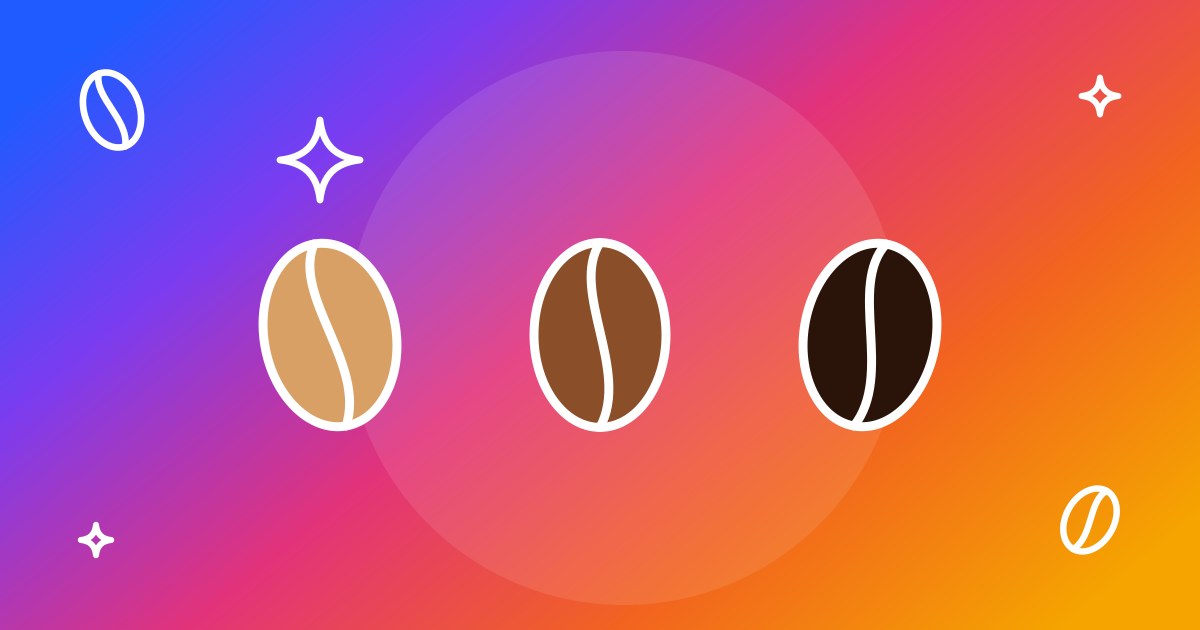
The three broad levels taste roughly like this:
- Light: bright acidity, fruity notes, lighter body.
- Medium: a balance of sweetness, acidity, and bitterness.
- Dark: bitterness, cocoa and roasted notes, full body.
"Body" means how heavy the coffee feels in the mouth. A light roast can feel thin compared with a dark one. "Acidity" here is a taste, not a sign of spoiled coffee. It is the bright, slightly tangy note that some people love and others call sour. These descriptions are general. Two medium roasts from different roasters can taste quite different, because the beans, their origin, and the roasting style also matter.
Why medium usually wins at the office
An office is not a coffee club. It is a group of people with very different tastes, all using the same machine. A light roast pleases people who like specialty coffee and may disappoint those who expect something familiar. A dark roast pleases people who like strong, bitter coffee and may put off those who drink it black. A medium roast sits in the middle. It is balanced enough for black coffee, strong enough for milk drinks, and familiar enough that most people simply call it good coffee. That does not make it the only choice. But if you know nothing about your team's taste, medium is the safest place to start.
Roast level and milk
In milk drinks, a darker roast cuts through the milk better. Milk softens coffee. It adds sweetness and covers some of the acidity and bitterness. A light roast in a large latte can almost disappear, leaving a drink that tastes mostly of warm milk. A darker roast keeps its voice, so the coffee is still noticeable. If the team mostly drinks cappuccinos and lattes, a darker roast is often the safer choice. If most people drink espresso or americano, a medium or even lighter roast may work well. Look at what people actually order. If the machine records drink choices, that data helps. If not, ask. A quick question in the kitchen often tells you more than a spreadsheet, and people like being asked.
Roast level and equipment
Office machines and coffee vending machines (publisher's site) are usually set up for a specific coffee. Changing the roast may mean adjusting the grinder. Different roasts behave differently when ground and brewed. A setting that gives a good espresso with one coffee may give a weak or bitter one with another. Some machines also have limits on what beans they handle well. The manufacturer's manual says which types of beans can be used, and the warranty terms may mention it too. Before switching, check who adjusts the settings: you, the supplier, or a technician. A small adjustment by the right person often matters more than the coffee itself. Nobody should experiment with the grinder just before the morning rush.
Dark roast and caffeine
Does dark roast have more caffeine? You should not assume so. Many people think a darker, more bitter coffee must be stronger in caffeine. Bitterness and caffeine are not the same thing. Caffeine content depends on many factors, including the type of bean, the blend, the amount of coffee used per drink, and the recipe in the machine. A dark roast tastes more intense, but that intensity comes mainly from roasting flavors. If caffeine matters to someone in the office, the coffee producer's information is the place to check, along with the option of offering decaf. We do not give caffeine figures here, because they vary too much between products and recipes.
How to find the roast level
How do I find the roast level? Roasters usually state it on the bag, sometimes on a visual scale. The scale may be a row of beans from light to dark, a number, or simply words like "light", "medium", or "dark". Some bags describe the taste instead, with notes such as "chocolate" or "citrus", which also hint at the roast. Words like "espresso roast" or "filter roast" describe what the roaster had in mind, not a strict level. They are useful hints. If the bag says nothing, ask the supplier. And if you are comparing two coffees, make sure you compare them in the same machine with the same settings, or the test will mostly measure the machine.
Roast is not the whole story
The roast level is only one part of what makes a coffee taste the way it does. The type of bean matters, too. Arabica and robusta taste different, and many office blends combine them. The origin matters, because beans from different regions bring different notes. The blend matters, because roasters mix coffees to get a certain balance. And the machine matters, because grind, dose, and water all shape the cup. So two coffees with the same roast label can taste quite different. When you read a bag, look at the roast, the bean type, and the taste notes together. They give a better picture than any one of them alone. If the supplier offers samples, compare a few medium roasts side by side before deciding.
Testing before you switch
Changing the office coffee is easier with a small test. Order a smaller amount first, if the supplier allows it. Set up the machine as recommended. Then let people try it for a week or two. Ask a few simple questions: Do you drink it black or with milk? Is it too sour, too bitter, or just right? Would you keep it? Keep the questions short, because few people want to fill in a long survey about coffee. Compare the answers with what the team drinks most. If the result is mixed, consider whether the machine can offer two coffees, such as a second hopper or a decaf option.
Two coffees instead of one
Some machines can hold more than one type of beans. Others use pods, where offering several roasts is simpler. If your team is truly divided, two options may end the debate. A medium roast for most people and a darker one for milk drinks is a common pairing. A lighter roast can be the second option if some people prefer it for black coffee. Check what your machine supports before planning this, because not every machine has a second hopper. More options also mean more ordering and more to keep track of. For a small office, one well-chosen coffee may be easier to manage than two.
Storage affects taste too
Even the right roast can taste flat if it is stored badly. Coffee beans lose aroma over time, especially once the bag is open. Air, light, heat, and moisture all speed this up. Keep bags closed, away from heat and sunlight, and buy amounts that the office uses in a reasonable time. Storage conditions and best-before dates are on the producer's label. Do not leave beans in the machine's hopper for longer than the manual suggests. If people say the coffee tastes worse than it used to, check how long the current bag has been open before blaming the roast.
What to check before you decide
Before you choose or change the roast, check a few things:
- What people drink most: black coffee or milk drinks.
- What the machine's manual says about suitable beans.
- Who adjusts the grinder and settings after a switch.
- Whether the machine can offer a second coffee or decaf.
- How quickly the office uses a bag, so it stays fresh.
These checks take a few minutes. They save weeks of complaints, a pile of unused bags, and the jar of instant coffee that appears when people lose hope.
Finding the office roast
Roast levels are not about right and wrong. They are about matching the coffee to the people and the machine. Light roasts bring brightness and fruit. Dark roasts bring bitterness, cocoa, and body. Medium roasts sit in between and suit most offices best. Milk drinks lean toward darker roasts. Machines need the right settings for whatever you choose. Test before you switch, ask simple questions, and look at what people actually drink. Do that, and the office may finally agree on coffee, or at least stop bringing instant from home.
Related reading: Office Coffee.
FAQ
Does dark roast have more caffeine? You should not assume so. Caffeine content depends on many factors, including the type of bean.
How do I find the roast level? Roasters usually state it on the bag, sometimes on a visual scale.
Which roast is best for milk drinks? A darker roast often cuts through milk better.
Do I need to change machine settings after switching roasts? Often, yes. Changing the roast may mean adjusting the grinder. Check the manual or ask the supplier.